
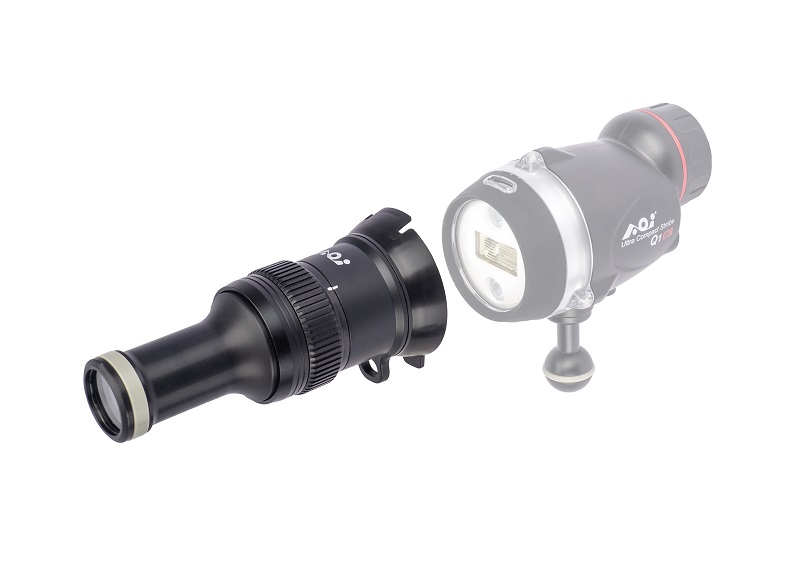
AOI SNT-03 Optical Snoot for UCS-Q1 Series (4mm - 30mm)
‹ Back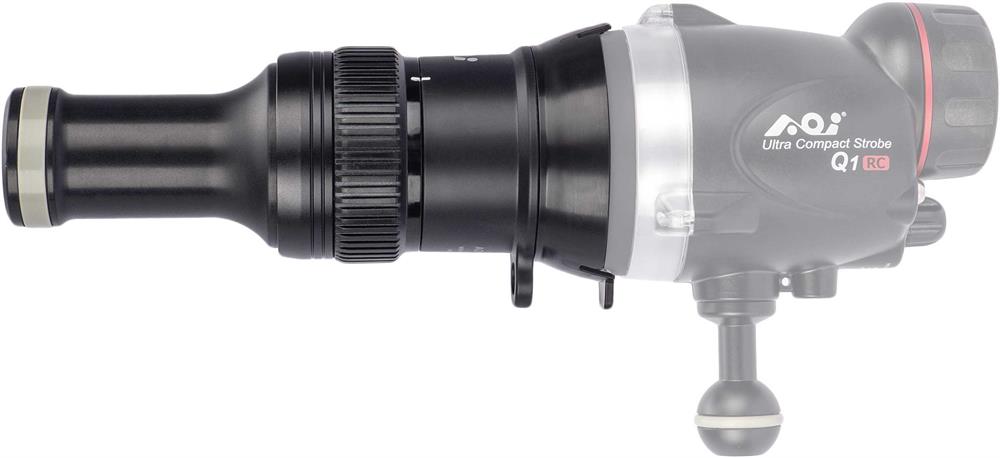
Description
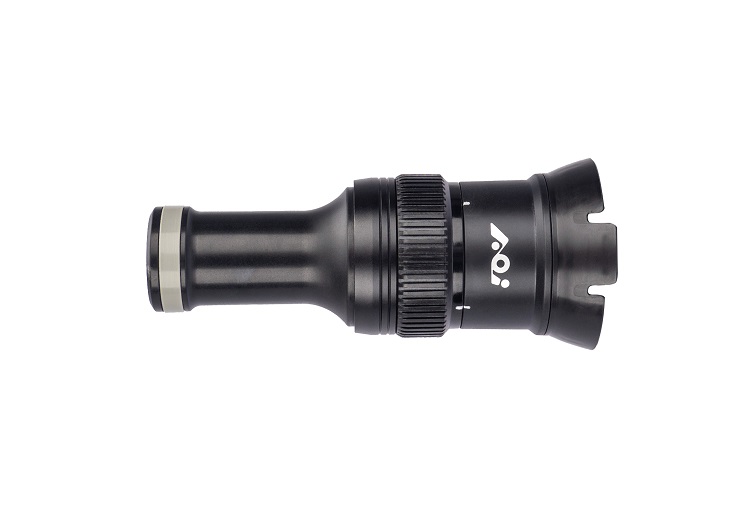
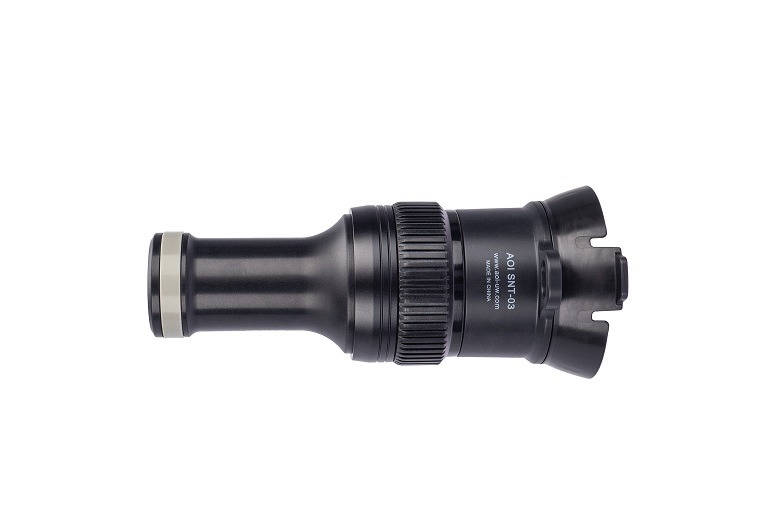
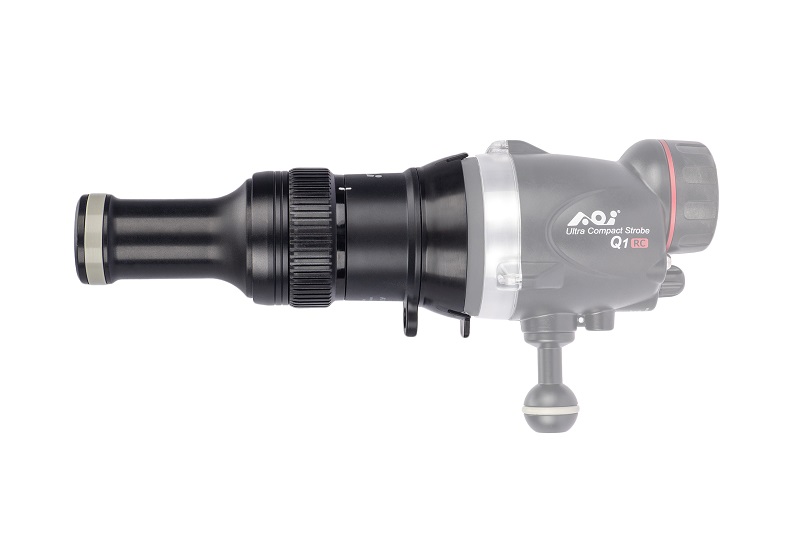
AOI SNT-03 Optical Snoot for UCS-Q1 Series (4mm - 30mm)
Optical snoots are designed to remove technical obstacles so photographers can focus entirely on composition and the moment. With reliable, intuitive controls, AOI ensures that every diver can achieve exactly the results they envision.
Enabling artistic creation: features that support your passion
The core promise of the new AOI accessories is directly in line with “Passion Possible”: AOI provides the reliable tools, you create unforgettable moments.
Optical snoots (AOI SNT-03 & SNT-04)
The design supports your creative diving experience with specific aperture ranges tailored to each system:
Stepless aperture control:
- SNT-03 (for UCS-Q1 series): 4 mm to 30 mm
- SNT-04 (for UIS-P1 flash unit): 8 mm to 45 mm
- Advantage: Precise creative control.
- Relevance: This feature gives you the freedom to adjust the beam size to exactly what you need—from a fine pencil beam to a wider pool of light—so your light perfectly frames your subject and you can realize your artistic vision without compromise.
Compact design and form factor
- Advantage: Freedom of movement and easy portability.
- Relevance: The streamlined, minimalist design ensures an agile rig, reduces drag underwater, and ensures that the snoot is an unobtrusive extension of your equipment. Thanks to this ease of use, you can concentrate fully on the subject and the dive itself, making complex macro lighting effortless to transport.
Designed for easy one-handed operation
- Advantage: Workflow in a state of flow
- Relevance: You can adjust the aperture of the light with one hand while the other hand is responsible for stability or composition. This intuitive usability means less fiddling and more time to capture the fleeting life below the surface.
High brightness in light transmission (flash and target illumination)
- Advantage: Guaranteed accuracy and performance
- Relevance: The optimized optics transmit the full power of your flash unit. Crucially, the target light remains clearly visible, so you can be absolutely sure about the focus and image composition—precise placement of the lighting is therefore always possible.